NCIRE Investigators

Maria Wei
MD, PhD
Staff Physician, SFVAHCS; Professor of Dermatology; Director, Melanoma Surveillance Clinic, UCSF; Director, Dermatology Genetics/Familial Cancer Syndrome Clinic, UCSF
Maria L. Wei, MD, PhD, is a Professor of Dermatology at the University of California, San Francisco (UCSF) and a Staff Physician at the San Francisco VA Health Care System. She directs the UCSF Melanoma Surveillance Clinic, which cares for individuals with melanoma as well as patients at high risk for developing melanoma – a group that includes those with a family history of melanoma, those with genetic test results indicating a risk, and those with many moles or large congenital moles. She also directs the UCSF Dermatology Genetics/Familial Cancer Syndrome Clinic, which cares for individuals with pathogenic gene variants, and who have an increased risk of developing benign and cancerous skin tumors. Dr. Wei also sees patients with pigmentary disorders such as melasma and vitiligo, as well as general dermatology patients.
Wei leads a research laboratory that studies skin disorders that result from and are affected by the intersection of genetics, the environment and behavior. One focus of study is the aggressive skin cancer melanoma; her group is developing novel non-invasive methods for skin cancer screening and diagnosis, using artificial intelligence and machine learning methods, and also studies factors that affect melanoma outcomes. Another area of study is assessing the effects of air pollution on inflammatory skin disorders such as atopic dermatitis and psoriasis.

Mark Ratcliffe
MD
Staff Physician, Chief of Surgery, SFVAHCS
Professor and Vice-Chair of Surgery, UCSF
Dr. Ratcliffe was the first cardiac surgeon to use realistic mathematical models to evaluate the efficacy of novel surgical procedures for the treatment of heart failure and ischemic heart disease. He also mathematically analyzed surgical anterior ventricular restoration (SAVER), another surgical treatment for heart failure, and determined the circumstances under which it can be used most effectively.

Mary A. Whooley
MD, FACP, FAHA, FACC
Primary Care Physician, SFVAHCS
Professor of Medicine, Epidemiology and Biostatistics, UCSF
Dr. Whooley’s research focuses on understanding the links between mental and physical health, particularly depression and cardiovascular disease. In 1997, she validated a 2-question screening instrument (now known as the Patient Health Questionnaire (PHQ-2) yes/no version) for depression in primary care patients. Since then, numerous managed care organizations have adopted the PHQ-2 yes/no version to aid in the detection of depression.
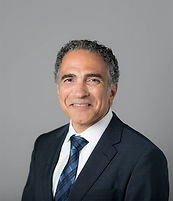
Mehrdad Arjomandi
MD
Professor of Medicine, UCSF
Assistant Professor in residence, SFVAHCS
Director of Environmental Medicine Clinic, SFVAHCS
Director of the UCSF Human Exposure Laboratory at San Francisco General Hospital
Dr. Arjomandi's research activities are focused on understanding the physiologic and immunologic mechanisms via which environmental exposures contribute to chronic lung disease and how knowledge of these mechanisms could be translated to ways to better define, prognosticate, and manage disease burden.
His research efforts are dedicated to (1) investigate the biology of airway immune cells using inhalational exposure to ozone in humans as a model of lung injury simulating exacerbation in chronic lung disease, and (2) characterize the cardiopulmonary abnormalities in a cohort of individuals with history of prolonged heavy exposure to secondhand tobacco smoke as a model of occult chronic obstructive lung disease.
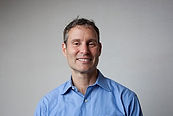
Michael G. Shlipak
MD, MPH
Associate Chief of Medicine for Research Development, SFVAHCS
Professor of Medicine, Epidemiology and Biostatistics, UCSF
Co-Founder and Scientific Director, Kidney Health Research Collaborative
Dr. Shlipak, MD, MPH is a Co-Founder and Scientific Director of the Kidney Health Research Collaborative, a joint program of UCSF, NCIRE and the SFVAHCS. His research activities have the overall objection of improving our understanding of the determinants of kidney disease and our ability to detect, diagnose and treat kidney disease. Recently, he has been primarily focused upon building a diagnostic panel for kidney disease that would change how clinicians treat kidney disease.